Choosing between AC and DC charging is the most important decision in any EV charging project. Get it right and your chargers are well used and affordable to run. Get it wrong and you either overspend on power you don’t need, or frustrate drivers who can’t charge fast enough.
The simple difference
Every EV battery stores DC power. With AC charging, the car’s onboard charger converts grid power to DC, which limits speed to 7 – 22 kW. With DC charging, the conversion happens inside the charger, so it can deliver from 20 kW to well over 350 kW straight to the battery.
How they compare
| AC charging | DC fast charging | |
|---|---|---|
| Power | 7 – 22 kW | 20 kW to 1 MW |
| Range added per hour | About 40 – 130 km | Up to several hundred km |
| Best when vehicles park for | 2 hours or more | Under 1 hour |
| Installed cost | Lower | Much higher |
| Power supply needed | Single or three-phase | Three-phase, often an upgrade |
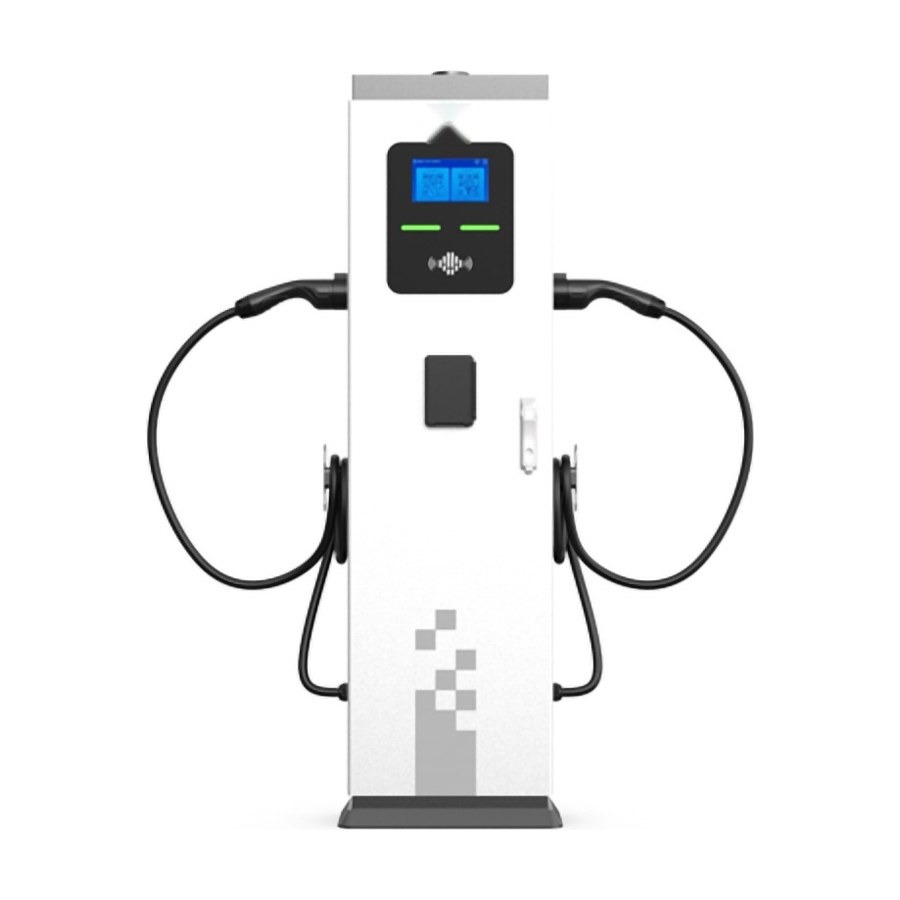
| AMPS EV examples | Walle Mini, Sky Elite, Benji II | Mini Iron, Maveriq, Cronus |
Which one fits your site?
- Workplaces and staff parking: AC. Cars sit all day, so 7 – 22 kW is plenty.
- Hotels, clubs and wineries: AC for overnight and long stays; add one DC charger for guests passing through.
- Retail, cafes and service stations: DC. Visits are short, and fast charging brings drivers to your door.
- Fleet depots: AC for overnight charging, plus DC for vehicles that run double shifts.
- Mining, marine and remote sites: DC in a Marine, Desert or Polar grade enclosure, often paired with battery storage or off-grid power.
Many sites need both
The most cost-effective setups mix the two: AC for vehicles that stay, and a small number of DC chargers for quick top-ups. Smart load management shares power between them, so you rarely pay for capacity you don’t use.
Browse our full range of AC and DC chargers, or grab a deal in the clearance sale.
Not sure which mix suits your site? Talk to AMPS EV for a free charging plan.