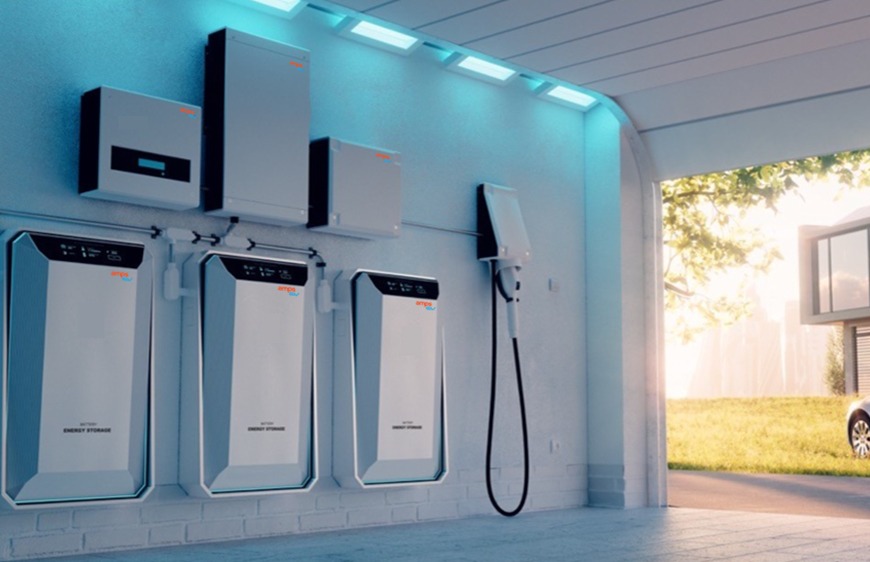
Battery Energy Storage Systems
Enhance your energy efficiency, lower your electricity expenses, and achieve your sustainability objectives with our extensive range of battery energy management systems and solutions.Battery Energy Storage Systems (BESS) enable your business to enhance its energy efficiency, tap into revenue opportunities from diverse market programs, and fulfill its Environmental, Social, and Governance (ESG) obligations.

Why BESS?
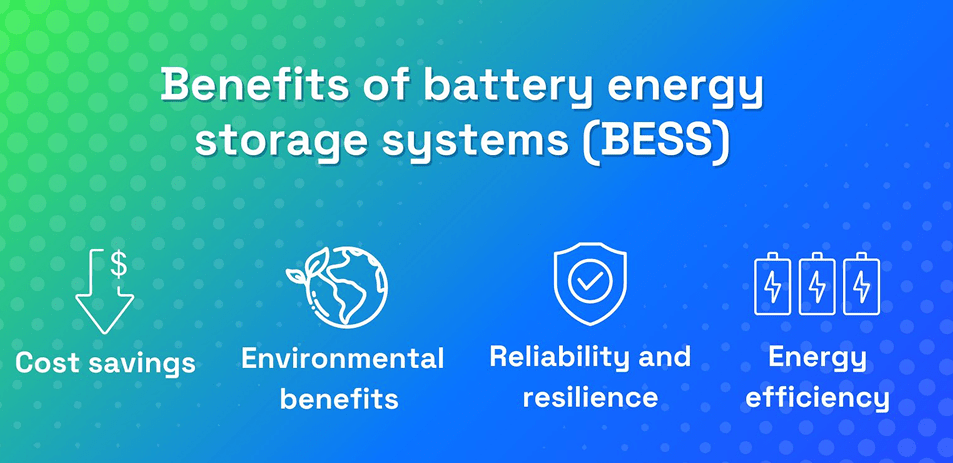
– Cost savings through peak shaving and load shifting
– Energy arbitrage
– Improved grid services such as frequency regulation and Voltage support
– Back up power and redundancy
– Energy independence Microgrid support
– Sustainability and environmental benefits
– Operations and strategic benefits
Energy Solutions To Help You Reach Your Goals
The battery energy storage system’s (BESS) essential function is to capture the energy from different sources and store it in rechargeable batteries for later use. Often combined with renewable energy sources to accumulate the renewable energy during an off-peak time and then use the energy when needed at peak time. This helps to reduce costs and establish benefits for the user. BESS has flexibility with grid connection and can be operated in local mode when the grid is not available.
Who Needs BESS?
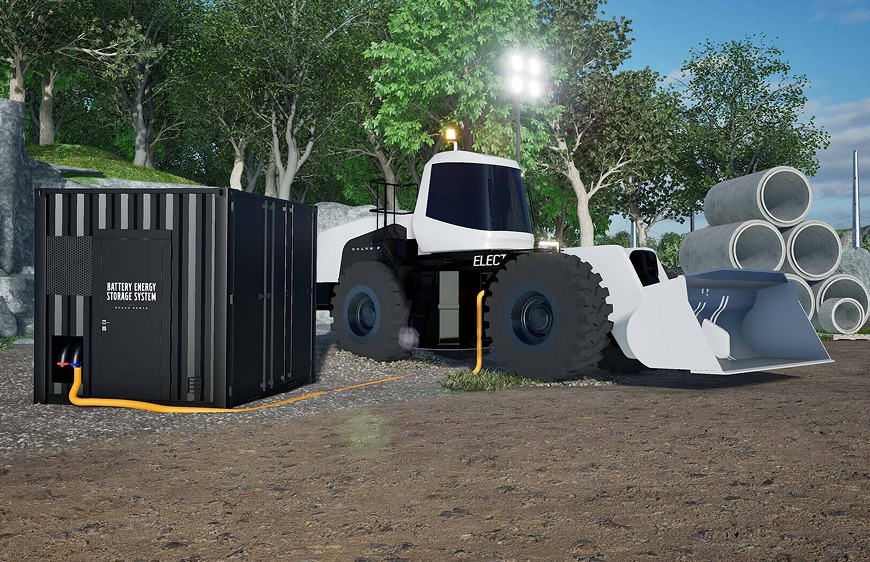
In industrial and mining sectors, Battery Energy Storage Systems (BESS) offer substantial cost reductions by facilitating peak shaving and decreasing dependence on costly fossil fuels required by diesel generators. Additionally, BESS enhance operational efficiency and reliability by delivering a consistent backup power supply that reduces downtime and safeguards valuable equipment from wear and tear, electrical shorts, power fluctuations, and burnouts, all while promoting increased integration of renewable energy sources and lowering carbon emissions.
The primary role of the battery energy storage system (BESS) is to harness energy from various sources and store it in rechargeable batteries for future use. It is frequently paired with renewable energy sources to gather energy during off-peak periods and utilize it during peak demand times. This approach not only helps in minimizing costs but also provides significant advantages for the user. Additionally, BESS offers flexibility in grid connectivity and can function in local mode when the grid is down.
Low Cost Power When Its Needed The Most
On-site battery storage systems offer numerous advantages, such as reducing costs via peak shaving and energy arbitrage, ensuring enhanced reliability with backup power during outages, and promoting sustainability by optimising the user of renewable energy. Additionally, they play a vital role in maintaining grid stability by balancing supply and demand, while also providing increased energy independence from the grid.
Your Personal Energy Independence
The advantages of a residential Battery Energy Storage System (BESS) encompass energy autonomy, financial savings by utilising stored solar energy during peak demand times, and dependable backup power in the event of blackouts. By capturing surplus solar energy for future use, homeowners can decrease their electricity expenses and lessen their dependence on the grid. Additionally, BESS facilitates the integration of renewable energy and plays a vital role in fostering a more resilient and sustainable energy environment.
Types Of BESS
Battery Energy Storage Systems (BESS) offer utilities a wide range of benefits, including improved grid stability through frequency regulation and load leveling, enhanced integration of renewable energy sources like solar and wind, and reduced operational costs via peak shaving and load shifting. BESS also provide backup power, support microgrids, and help utilities reduce their carbon footprint by displacing fossil-fuel peaker plants.
Automated page speed optimizations for fast site performance